How DISC leaders can resolve tension among the styles

Kristin Emerson
Training Director
Kristin worked as a professor at NC State prior to working in Talent Development. Since leaving the world of academia, Kristin has worked with organizations both large and small helping to improve team culture, emotional intelligence, and leadership development.
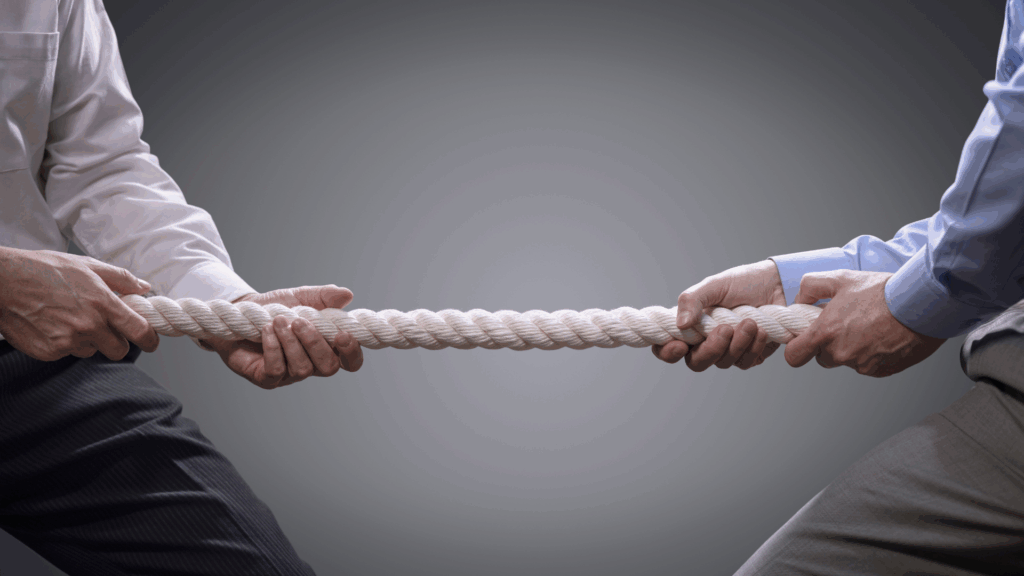
Managing a team with a mix of DISC styles is a common leadership challenge.
Tension may show up when different needs, priorities, and working habits collide. Effective leaders do more than address these moments when they appear. They proactively design their team’s communication routines and project structures in ways that reduce friction and help everyone succeed.
This article explores how leaders can anticipate style-based tension, use DISC insights to guide teamwork, and create an environment where differences become assets rather than obstacles.
Identifying friction points in team dynamics
As a DISC-certified trainer and coach, I worked with a nonprofit CEO who oversaw an executive leadership team of three direct reports. The CEO herself was an entrepreneurial I style, the accounting director a detail-oriented C style, the marketing director was a results-prioritizing D style, and the HR director was a team-focused S style. These differences in primary style made for a balanced team in many ways, but also created frequent challenges.
Tension often appears when two behavioral needs compete. Some team members value speed, like the D-style marketing director who wanted to launch a new promotion immediately. Others value accuracy, like the C-style accounting director who felt pressured to analyze the financial impact with little time. Some prefer connection and spontaneity, like the I-style CEO who enjoyed proposing last-minute incentives to build team enthusiasm. Others prefer structure, like the S-style HR director who supported the incentive ideas but felt stressed by the lack of planning time.
Leaders who recognize these predictable patterns can plan and set expectations before friction grows. This foresight also supports better hiring, onboarding, and role clarity. (For more guidance on hiring, see DISC and Hiring: 5 Steps You Should Consider.)
Below are common areas where tension often begins.
A clash of pace (High D and High C)
Pace is a predictable source of friction.
High D types want decisions and momentum. High C types want time to analyze and verify details. Both intentions are valuable. Without clear expectations, this difference can slow projects or strain communication.
A clash of focus (High I and High S)
High I brings energy and flexibility.
High S brings steadiness and follow-through.
A high I individual may shift direction quickly, while High S needs time to settle into a plan. Leaders can anticipate this dynamic and set routines that provide both engagement and predictability.
A clash of priorities (High D and High S)
High D prioritizes rapid progress.
High S prioritizes team harmony and stability.
A direct tone may feel stressful to a High S, while a calm pace may feel slow to a High D. The issue is usually not intent but the style of interaction.
Comparison table: Common friction patterns
| Pairing | Core Tension | What each values | What each style reacts to |
|---|---|---|---|
|
D and C |
Speed vs. accuracy |
Decisiveness vs. thoroughness |
Delays vs rushed choices |
|
I and S |
Flexibility vs. predictability |
Energy vs. stability |
Rigid routines vs. sudden changes |
|
D and S |
Urgency vs steadiness |
Results vs cooperation |
Hesitation vs intensity |
|
C and I |
Structure vs. spontaneity |
Logic vs creativity |
Ambiguity vs. heavy detail |
Fortunately, the tensions created by different personality and behavioral types can be navigated by an informed leader.
A good starting point is The Platinum Rule: treat others as they wish to be treated.
Awareness of DISC allows a leader to create a supportive environment for their team.
Navigating personality-specific tensions
Below are examples of how tension forms between styles and how leaders can guide the team toward healthier dynamics. The focus is on proactive leadership rather than conflict repair.
Dominance and Conscientiousness
The tension
Fast decisions and detailed analysis rarely happen at the same pace.
Without leadership direction, a D style may push ahead and a C style may slow down, causing frustration on both sides.
After realizing this dynamic, the CEO I was coaching changed the budget process so that the D-style marketing director had access to a preapproved budget specifically for promotions. This took the pressure off the C-style accounting director to rush the analytical work.
What leaders can do
- Set shared quality standards during project planning.
- Outline what decisions require deeper review and what can move forward quickly.
- Schedule checkpoints so both styles trust the process.
Influence and Steadiness
The tension
High I enjoys brainstorming and shifting ideas as inspiration strikes.
High S prefers consistency, clear plans, and limited surprises. The CEO I coached with DISC realized she needed to curb her enthusiasm and present her ideas to the HR director after they were fully formed and structured, so those last-minute changes didn’t feel chaotic.
Solutions for leaders
- Provide S types with advance notice of changes.
- Give I types dedicated space for creativity within a clear scope.
- Use meeting agendas that balance interaction with predictable structure.
Dominance and Steadiness
The tension
Direct communication from a D can feel intense to an S, even when the intention is productive.
S types may withdraw, which D types interpret as resistance.
Solutions for leaders
- Model direct but warm communication.
- Teach D types to slow the pace when alignment is needed.
- Encourage S types to express needs during planning, not after tension develops.
Adapting leadership strategies: Tips and techniques
Great leaders use DISC to adjust their style, team structure, and communication patterns to help the team work together more effectively. They are aware of DISC interpretation dos and don’ts. They use the proper techniques to create long-term alignment and reduce predictable friction.
Modify communication styles
Use the level of detail, tone, and pace that support each style.
- D types prefer summaries and clear action steps.
- I types respond to enthusiastic and collaborative language.
- S types value reassurance and predictability.
- C types need data, clarity, and defined expectations.
For more practical guidance on communication, see How to Improve Communication Using DISC Styles.
Create balanced teams
Balanced teams use the strengths of opposite styles.
- Pair C types with I types during early idea development to blend creativity with realistic evaluation.
- Pair D types with S types when a project needs both momentum and steady follow-through.
- Assign roles based on natural strengths. For help selecting complementary partnerships, see Use DISC to Get the Best Workplace Personality Pairings.
Develop a culture of empathy
Leaders shape the emotional tone of the team. Create open discussion about what others need to work well. Make it normal to share preferences, communication needs, and working habits. Resources like Learn Your Internal Motivations and The Platinum Rule can support these conversations.
Most of the style tension dynamics noted in this article were apparent in the nonprofit team I described above. But when the CEO understood DISC, she implemented preemptive changes that set the team up to leverage their strengths and avoid missteps. Better yet, she introduced her three executive team members to DISC and created an ongoing conversation about behavioral needs and preferences.
Assessing your team with DISC
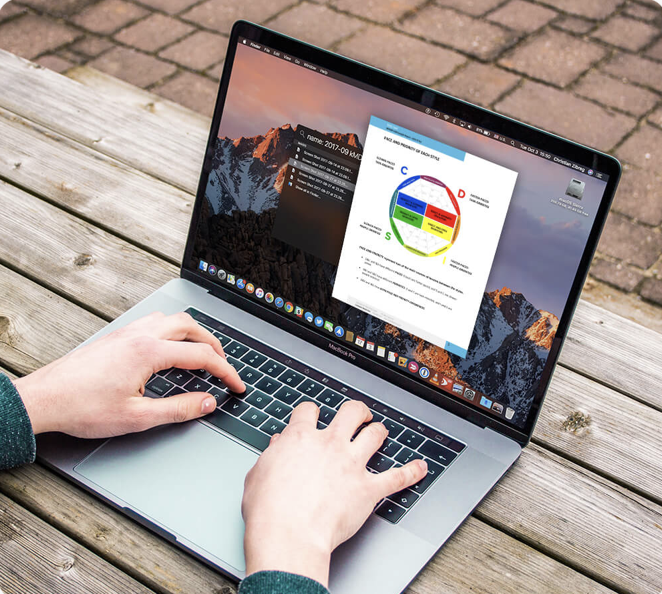
DISC assessments help leaders understand the current mix of styles on their team and anticipate how those differences will influence upcoming workload, change initiatives, and cross-functional collaboration.
Assessments also support onboarding, coaching, and performance conversations.
Explore DISC for Leaders and DISC Basic plus Motivators for more insight.
For a complete picture of all of the assessments we offer that can help establish a stronger workplace culture in your organization, please visit our DISC assessment store.
Next steps
Tension between DISC styles is predictable, but it need not be disruptive. Leaders who anticipate these dynamics, design balanced teams, and adjust communication can turn those differences into a productive advantage. When the team understands each other, and the leader sets clear expectations, tension becomes easier to navigate, and collaboration becomes stronger.
Want to build this foundational knowledge with your leaders? Review our DISC Training workshop options to see how we can help implement this language with your organization, or fill out the form and let us know how we can support you or your organization.
"*" indicates required fields