
Understanding the Steadiness DISC Type

Kristin Emerson
Training Director
Kristin worked as a professor at NC State prior to working in Talent Development. Since leaving the world of academia, Kristin has worked with organizations both large and small helping to improve team culture, emotional intelligence, and leadership development.
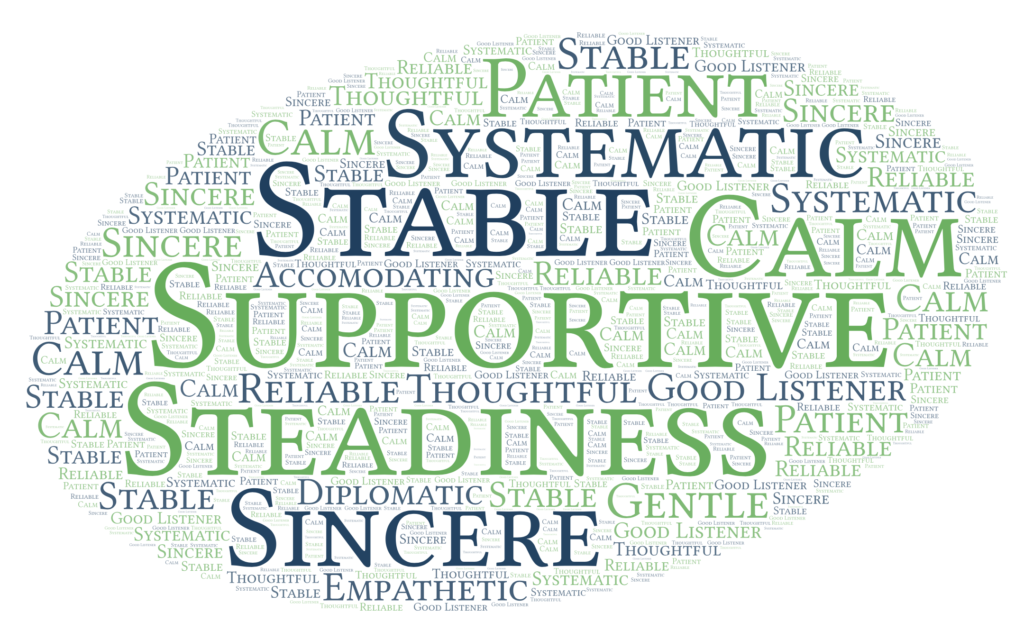
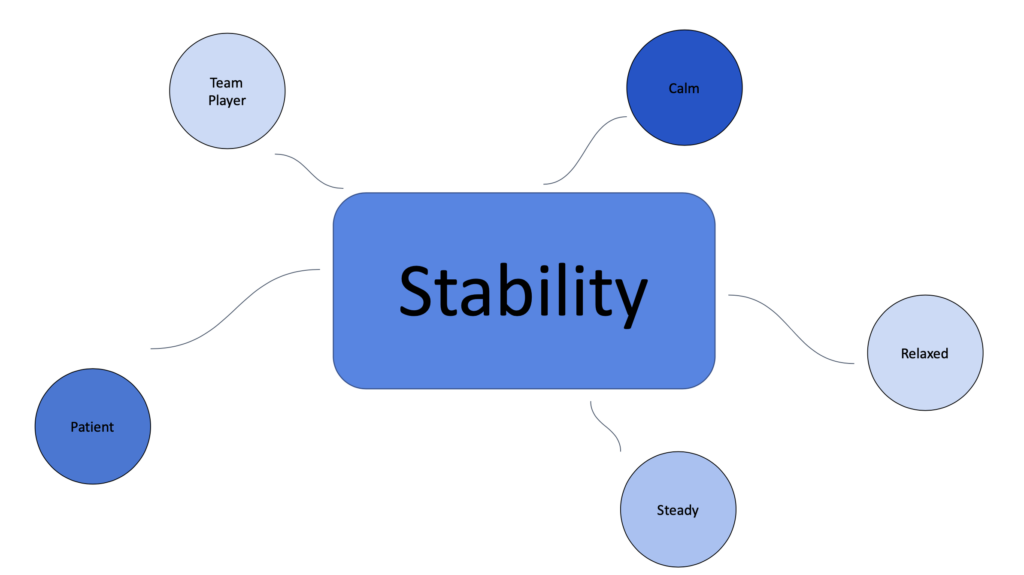
The Steadiness or S personality type is one of the four core styles in the DISC model. People with this style are dependable, calm, patient, and focused on maintaining stability and supportive relationships.
This article provides an in-depth look at the Steadiness DISC personality, including key traits, motivations, strengths, areas for growth, communication preferences, compatibility with other DISC styles, and common S-type subcategories.
For a broader overview of DISC, visit What Are The Main DISC Personality Styles?
Table of Contents
- The ‘S’-type Personality Explained
- Famous ‘S’-Personality Individuals
- What is a “High S DISC Profile”?
- Other Terms for S Personality Type
- S Personality Strengths
- S Personality: Areas for growth
- S-Personality Story
- Understand those with the ‘S’-Personality
- S-style compatibility with other DISC styles
- Considerations when working with the ‘S’-Style
- Steadiness subtypes
- Find your DISC personality type
The 'S'-type Personality Explained
The S type personality, also known as the Steadiness DISC personality, is characterized by stability, cooperation, and a strong desire for harmony.
People with this style value trust, loyalty, and predictable environments. They are often seen as reliable team members who work steadily behind the scenes to support others.
What does steadiness mean in DISC?
It refers to a preference for stability over rapid change, patience over urgency, and collaboration over competition. Individuals with the S personality type tend to prioritize relationships and long-term success rather than short-term results. This style is also known to be systematic and prefer working in processes.
Famous S-Personality Individuals
Famous S-type personality examples often include individuals known for their calm presence, empathy, and long-term dedication.
These people are typically respected for their reliability and quiet leadership rather than charisma or authority. Mother Teresa and Princess Diana are commonly cited as examples of S-type personalities.
Below are a few other examples:
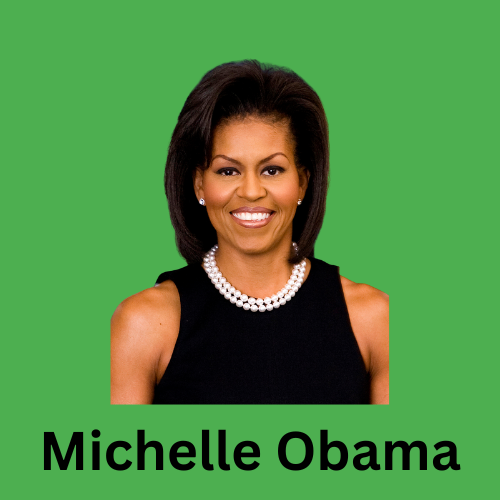
Michelle Obama
A defining characteristic of the S-Personality Style is a focus on others.
Michelle Obama was an accomplished lawyer when she met Barack Obama. After they married and Barack ran for office, Michelle slowly dropped her work to support Barack’s aspirations for higher office and to support their growing family.

Keanu Reeves
One of the key differences between the I-Style and the S-Style is how energy is displayed. Both styles seek interaction with others, but the S-Style is more calming and patient (hence the label of Steadiness)
Keanu Reeves is known for riding the subway where he exhibits a calming presence without a lot of fanfare.
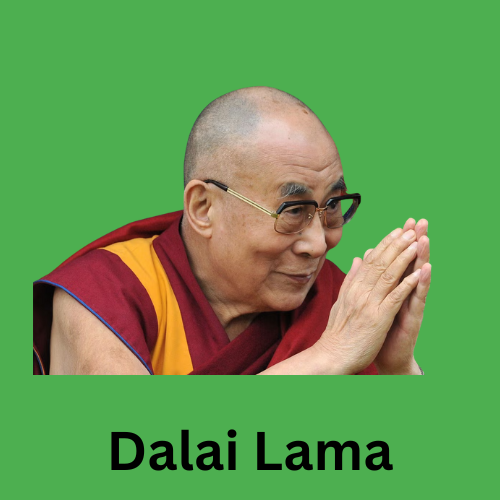
Dalai Lama
S-Personality Types go above and beyond to support others.
The Dalai Lama is quoted as saying, “Our prime purpose in this life is to help others. And if you can’t help them, at least don’t hurt them,”.
You can explore more examples by visiting DISC Profiles of Famous Individuals.
What is a 'High S DISC Profile'?
A High S personality describes someone whose Steadiness trait is especially strong compared to the other DISC traits. High S individuals are:
- Consistent and dependable
- Patient and supportive
- Comfortable with routine and structure
- Motivated by cooperation rather than recognition
They thrive in environments where expectations are clear and relationships are built on trust.
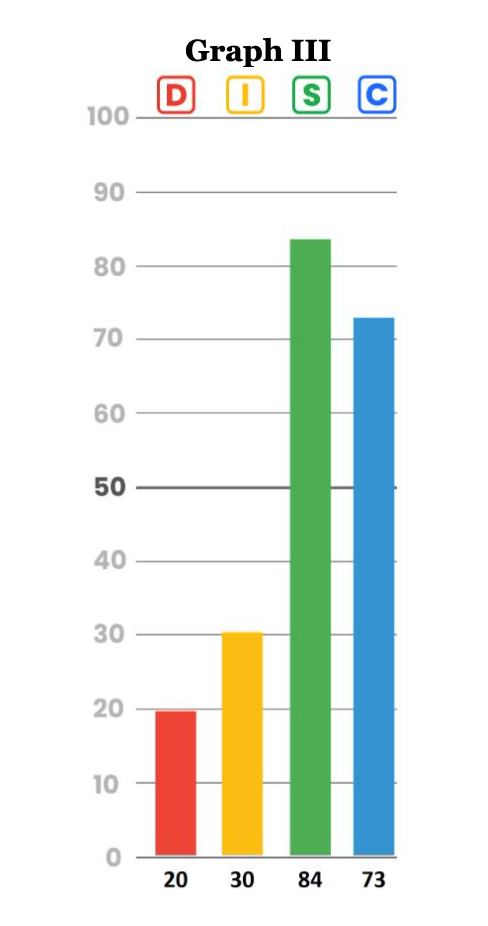
The term comes from the description of a person’s graph height on their DISC Profile.
Before digital assessments, DISC profiles were given as a paper-and-pen instrument. Participants would draw their DISC graphs and often comment on how they looked.
When someone has a high graph in one of the styles, they refer to themselves as having a ‘high’ profile in that quadrant.
Other S-Personality Type Terms
You may encounter different terms used to describe the Steadiness personality type, including:
- S style personality
- High S personality
- S-type personality
- Green Personality
- Dove Personality
These terms all refer to individuals who value stability, cooperation, and reliability.
What drives the S personality type?
The S-Personality Type is driven by the following psychological needs:
- Harmony
- Stablity
- Security
When someone with an S personality type is in their comfort zone, they can make steady progress toward their goals. Because of this, people with this personality type are excellent at follow-through.
They are easy to get along with. It may seem like they are wishy-washy about what they believe because they may not challenge someone’s viewpoint that goes against their own.
Because the S personality type values security, they tend to be risk-averse and prefer to seek consistency in their environment. They dislike pushy behavior that would pressure them into deciding or taking action faster than they feel comfortable.
S Personality Strengths
The Steadiness DISC style brings essential strengths that help teams function smoothly and sustainably.
Dependable and consistent
S types follow through on commitments and can be counted on to complete tasks steadily and thoroughly.
Patient and calm
They remain composed under pressure and provide a stabilizing influence during periods of stress or change.
Supportive and cooperative
S personalities are attentive listeners who work to ensure others feel valued and supported.
Loyal and trustworthy
They build long-term relationships and foster trust within teams and organizations.
Team oriented
Rather than seeking the spotlight, S types focus on group success and collaboration.
Calm & Patient
This personality type is the peacemaker. They don’t often seek aggressive action, and they are likely to take a back seat in decisions. However, when a conflict arises, they will be on either side of the argument giving an ear to both member’s sides.
Reliable
The S personality type rarely strays away from their routine and consistent environment, making them extremely reliable. You always know where they’ll be, and what they are capable of contributing to the team.
Collaborative
People with this personality type want to keep things moving forward and will do anything they can for the good of the team. While they don’t tend to be innovator in group situations, they will make sure that everyone is working together to get things done.
S Personality Areas for growth
While the S personality type offers many strengths, there are areas where growth may be needed.
Resistance to change
S types often prefer familiar routines and may feel stressed by rapid or unexpected change.
Avoidance of conflict
Their desire for harmony can lead them to avoid difficult conversations, even when issues need to be addressed.
Difficulty asserting needs
They may prioritize others’ needs over their own and struggle to say no, which can lead to burnout or unspoken frustration.
Slower decision-making
Because they value stability and consensus, S types may take longer to commit to decisions.
Lack of assertiveness
The S personality type prefers to keep the peace and make sure everyone is happy, but this can come at the expense of their own needs, or happiness. People with this personality type often have difficulty speaking up, or prefer to go along with a plan they disagree with, for the sake of peace. This can open them up to be taken advantage of by those that are more assertive and have no difficulty making their opinions known.
Risk averse
The steady nature of the S personality type ensures that people with this type are always inching closer to their goals, but their aversion to risk can keep them from taking leaps of growth. People with this personality type risk staying “stuck” in their own comfort zone and missing out on opportunities for change.
S-Personality Style Story
Our organization employs people with each personality style. In this clip, Adam Stamm shares how his S-Style shows up in his life.

Understand Those with the 'S' Personality Type
Understanding how S personalities think and communicate helps build stronger relationships and more effective teams. For additional strategies, see How to Improve Communication Using DISC Styles.
Motivations and Priorities
S personality types are motivated by:
- Stability and predictable environments
- Clear expectations and processes
- Trust and loyalty within relationships
- Opportunities to support others
- Appreciation that feels sincere rather than showy
They prioritize security, cooperation, and long-term success.
Communication Style
When communicating with an S personality type, it is important to be respectful, patient, and genuine. They prefer calm conversations and time to process information.
Effective communication tips include:
- Use a steady, supportive tone
- Provide reassurance during change
- Allow time for questions and reflection
- Emphasize collaboration and shared goals
- Avoid pressure or abrupt demands
These approaches help S types feel safe and valued.
S-Style Compatibility With Other DISC Styles
The Steadiness personality type works well with a variety of DISC styles, though differences can create tension.
| Other Style | Strengths of Pairing | Potential Challenges |
|---|---|---|
|
D |
Balance of action and support |
D pace may feel rushed |
|
I |
Warm, people-focused connection |
I spontaneity may feel disruptive |
|
S |
Strong trust and consistency |
Risk of avoiding hard decisions |
|
C |
Reliable and structured teamwork |
Different focuses (people vs tasks) |
For more details, visit Use DISC to Get the Best Workplace Personality Pairings.
Considerations when working with 'S' Style
Hopefully by now, you can identify someone in your life who has the Steadiness personality. If you work with someone with this style, here is a short list of ideas on how to work more effectively with them:
- When discussing potential changes, give them time to process the changes and outline the effects you know the decision will have on others.
- Allow them to find ways to bring others into the conversation or projects. Those with this style are natural team builders and group connectors – this is a powerful ability that will help on large and complex projects.
- Make sure those with this style are realistic about challenges. Have a conversation with them about how to accept and move on from challenges without making a challenge a normal part of a process.
Steadiness Subtypes
The Steadiness personality blends with other DISC traits to form three common subtypes. For a full overview, visit 12 DISC Personality Types.
S/D Personality Type
The S/D personality type blends steadiness with decisiveness.
- Calm but results-focused
- Reliable, willing to take charge and implement structure
- Benefit from clarity and reassurance during change
S/I Personality Type
The S/I personality type combines warmth with enthusiasm.
- Friendly and relationship-driven
- Supportive team builders
- Thrive in collaborative and people-focused roles
S/C Personality Type
The S/C personality type values accuracy and consistency.
- Detail-oriented and dependable
- Careful and methodical workers
- Excel with clear processes and expectations
| Subtype | Core Traits | Best Environment | Support Needs |
|---|---|---|---|
|
S/D |
Calm, steady, driven |
Structured and goal focused |
Clear priorities |
|
S/I |
Supportive, friendly |
Collaborative and social |
Encouragement |
|
S/C |
Precise, reliable |
Organized and predictable |
Clear guidelines |
Find your DISC Personality Type
If you relate to the Steadiness personality type or want to explore your DISC profile further, take our Free DISC Assessment to discover your dominant style and learn how to improve communication and collaboration.